Security Guards or CCTV Monitoring for Your Business
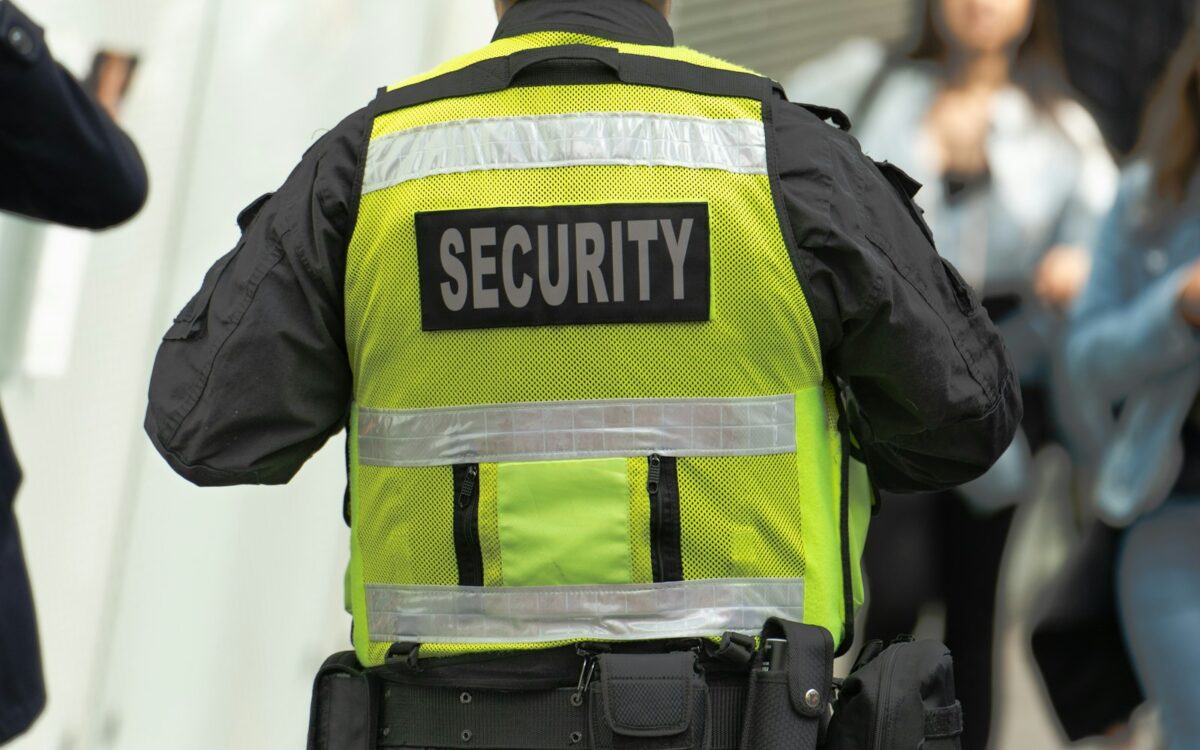
Security guards suit premises that need an on-site presence for access control, patrols and agreed responses. CCTV monitoring suits sites where remote operators can identify activity through suitable cameras and follow a response plan. Some businesses need both. The decision depends on what must happen when an issue is detected and whether somebody needs to be there already.
For a business in Doncaster or elsewhere in Yorkshire, comparing these options starts with the site itself. The opening hours, building layout, vehicle movements and available camera coverage all matter. Working through the practical differences will help you request cover that matches your operation.
Start with the tasks your premises need
List the jobs you expect your security arrangement to handle. These might include checking deliveries, controlling an entrance, observing a storage yard or identifying unexpected activity after closing time. Be specific about when each task is needed.
If delivery drivers need to speak to someone and have their details checked at a gatehouse, that is a different requirement from watching a locked yard overnight. A camera may show a vehicle arriving, but you still need a practical process for deciding whether it can enter.
Our security guards can undertake agreed duties tailored to the premises. Defining those duties first makes it easier to compare a guarding proposal with a monitoring proposal fairly.
Understand what an on-site security guard provides
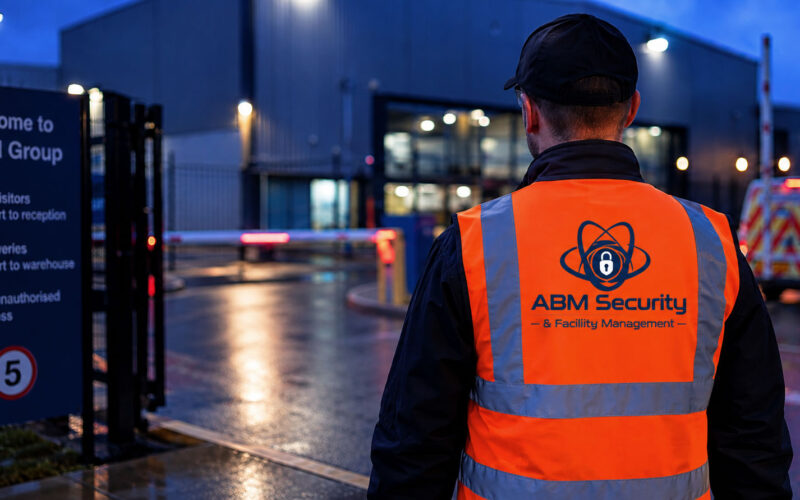
A security guard offers a physical point of contact during the agreed working hours. Depending on the assignment, that can include recording visitors, carrying out patrols, checking access points and reporting incidents to nominated people.
Being on site also gives the guard context. They can observe a damaged door, an unexpected delivery or a change in the working environment and follow the instructions agreed for that situation. The response still needs to be safe and within the scope of the role.
Guarding has practical limits. One person cannot watch every part of a large site simultaneously. Patrol routes, fixed posts, staffing levels and communication arrangements should therefore form part of the discussion rather than being left until cover begins.
Distinguish CCTV recording from CCTV monitoring
Recording footage and arranging remote monitoring are different services. A system may store useful images without anybody reviewing an incident while it happens. Before comparing it with guarding, establish what your existing system actually does.
With a suitable monitoring arrangement, operators can review activity and follow agreed instructions. Those instructions might involve notifying a keyholder or arranging attendance. Ask which hours are covered, how alerts are handled and what happens if the system loses its connection.
ABM offers remote CCTV monitoring from its Doncaster control room and can assess compatible systems installed by other providers. Existing cameras need to be reviewed before their suitability for the service can be confirmed.
Work out what happens after an alert
Detection is one part of the arrangement. The next question is who takes action, what they are expected to do and how they gain access to the premises.
Consider a camera showing an unfamiliar person inside a yard. The response plan should explain who reviews the situation, who is contacted and when attendance is required. It should also account for unanswered calls and avoid leaving decisions to someone unfamiliar with the site.
A guard already at the premises can act within their assignment instructions. A remote operator needs an agreed route to somebody who can attend when necessary. Keyholding and alarm response can form part of that arrangement, with attendance terms confirmed for the location.
Check the layout and camera coverage
Walk around the premises and consider what can actually be seen. Entrances, boundaries, loading areas and outdoor storage may all need attention. Lighting, obstructions and changes in the position of vehicles or stock can affect the view.
A warehouse yard may look very different when full of trailers compared with an empty afternoon. On a construction site, the layout may change as work progresses. A camera position that was useful at the start of a project may need reviewing later.
Patrol planning needs the same care. Identify areas that are accessible, areas with restricted access and any locations requiring additional precautions. A combined plan should make clear how the cameras and guards contribute to coverage of the premises.
Consider when using both makes sense
A combined arrangement can be useful where a business has several distinct requirements. For example, a guard might manage vehicle access at an entrance while monitored cameras provide visibility of external areas away from that post.
Another site might require guarding during busy operating hours and remote monitoring when it is closed. The balance should follow the site’s activity and risks, rather than an assumption that every security measure must operate in the same way around the clock.
For businesses across the sectors we support, the important detail is coordination. Agree who owns each task, how information is passed between teams and how a concern raised by one person reaches the person responsible for responding.
Compare quotations against the same requirements
A useful cost comparison needs more detail than a headline hourly rate or monthly fee. Check the hours, duties and response arrangements included in each proposal, then identify any work charged separately.
For guarding, ask about staffing, supervision, handovers and cover arrangements. For monitoring, ask about system compatibility, setup, monitoring periods and the process for handling alerts. If attendance is available, establish how it is arranged and charged.
Also consider the work that would remain with your own staff. A lower-priced option may leave a manager responsible for overnight calls or require somebody to travel to the premises. Decide whether those responsibilities are workable before choosing the service.
Discuss the right cover for your Doncaster or Yorkshire premises
Bring together your site layout, operating hours and the tasks that need covering. Explain any existing problems with access control, camera visibility or out-of-hours attendance. That gives a provider a clear basis for discussing the options.
ABM provides security guarding and CCTV monitoring across Yorkshire and the Humber. We can discuss how each service could support your premises and what arrangements would need to be agreed before cover starts.
If you are weighing up security guards, monitoring or a combination of both, contact ABM for a quotation. Tell us how your business operates and what you need the security service to do.