Overnight security guards are worth considering when your premises need a physical security presence after staff leave. Valuable equipment, late deliveries, accessible yards and long periods without supervision can all create a need for cover. The starting point is to identify what could happen overnight, how it would be detected and who would deal with it.
For businesses in Doncaster, Yorkshire and the Humber, the right arrangement depends on the premises and how they operate. A closed office, a busy warehouse and a remote construction project each need a different approach. Here are the practical questions to work through before arranging overnight security guards.
Look at what happens after your staff leave
Start with the period between the last person leaving and the first person returning. Who checks that external doors are secured? Can anyone enter the yard? Are contractors or delivery drivers expected during the night? If an alarm activates, does somebody have clear responsibility for attending?
Walk through the site with those questions in mind. Look at perimeter fencing, pedestrian entrances, loading bays and any areas hidden from neighbouring buildings. A locked main entrance may offer little reassurance if another access point is routinely left open.
The aim is to identify specific gaps. That gives a security provider a useful brief and helps you decide whether an overnight guard would address the problems you have found.
Consider what is left on the premises
Stock, tools, vehicles and machinery can remain on site long after the working day ends. Think about where they are stored, how accessible they are and what losing them would mean for the following morning.
Replacement cost is only part of that assessment. Missing equipment could delay a job, prevent a delivery or leave a team unable to work. Damage to gates or loading facilities could also interrupt operations even where nothing has been stolen.
For example, a contractor leaving plant on an exposed site will have different priorities from an office manager protecting a locked building. The proposed security guarding arrangement should reflect those differences, including the areas that need attention during each shift.
Check whether the premises still operate at night
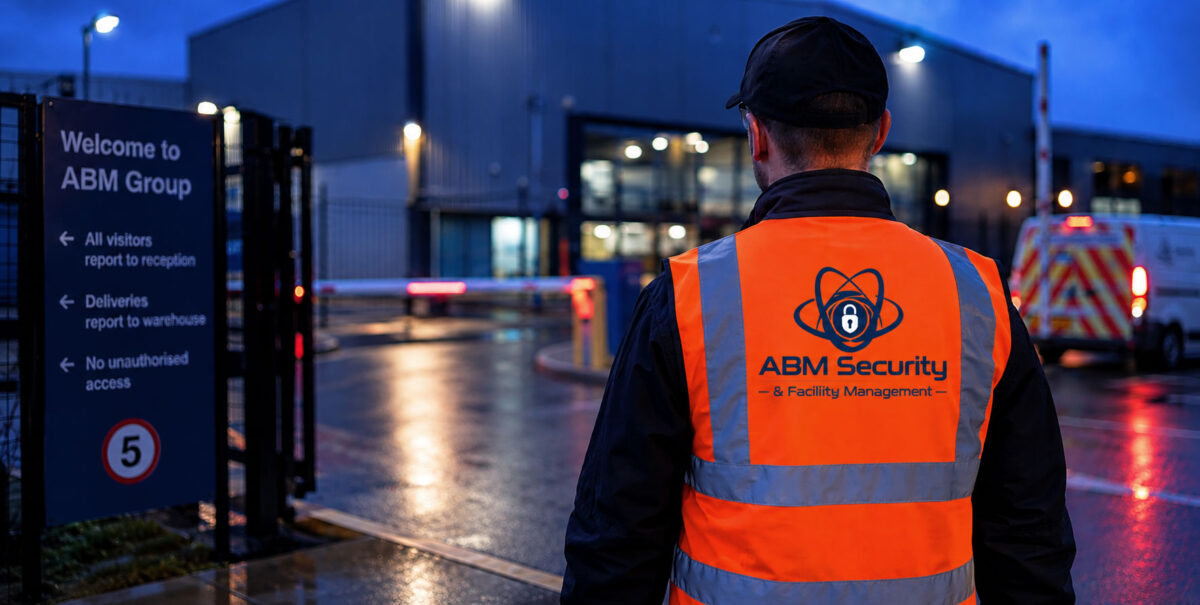
Some sites remain busy outside normal office hours. Warehouses, transport depots and industrial premises may receive deliveries, admit contractors or change shifts overnight. Those movements create access-control tasks even when most of the management team is at home.
A gatehouse role might involve checking expected arrivals, recording vehicle details and referring unexpected visitors to an authorised contact. These duties need clear instructions: who can enter, which areas they can use and what happens if their details do not match the booking.
Our security guarding service can include agreed access control and gatehouse duties. It is worth discussing these requirements at the quotation stage so the proposed cover accounts for the work involved.
Decide whether someone needs to be there throughout the night
Regular visits, remote monitoring and a guard based at the premises provide different types of cover. Ask whether your site needs somebody available throughout an agreed shift or whether particular checks and a response arrangement would meet your needs.
If a guard must remain at an entrance to manage vehicle movements, consider how other areas will be checked. One person cannot stay at the gatehouse and patrol the far side of a large site at the same time. The number of guards, their duties and the layout need to be considered together.
Be equally clear about breaks, shift changes and handovers. Continuous cover should be reflected in the staffing plan, rather than assumed from a general description of the service.
Plan for weekends and temporary changes
Your usual overnight arrangements may need adjusting when the business closes for longer. Bank holidays, seasonal shutdowns and gaps between construction phases can leave premises without their normal activity or supervision.
Temporary changes also matter. Building works might open up a boundary, relocate a storage area or interrupt lighting. A delivery of valuable equipment could change what needs protecting before that equipment is installed.
Review cover before those changes take place. Explain the dates, expected site activity and any new access arrangements to your security provider. Where temporary guarding is being considered, confirm availability and the proposed duties for that particular period rather than assuming your existing arrangement will automatically expand.
Agree what guards should check and report
A useful security brief explains what needs checking, how often and what should happen when something looks wrong. It should identify the entrances, buildings and external areas included, along with any restrictions on where guards can go.
Incident reporting also needs to be practical. Decide which issues require an immediate call, who should receive that call and who takes over if the first contact is unavailable. Routine observations can then be recorded for the next working day.
Where operational checks are requested, define their limits. Observing a warning indicator and reporting it is different from operating or repairing equipment. Guards should only undertake tasks covered by the agreed instructions, training and safe working arrangements.
Connect guarding with your existing security measures
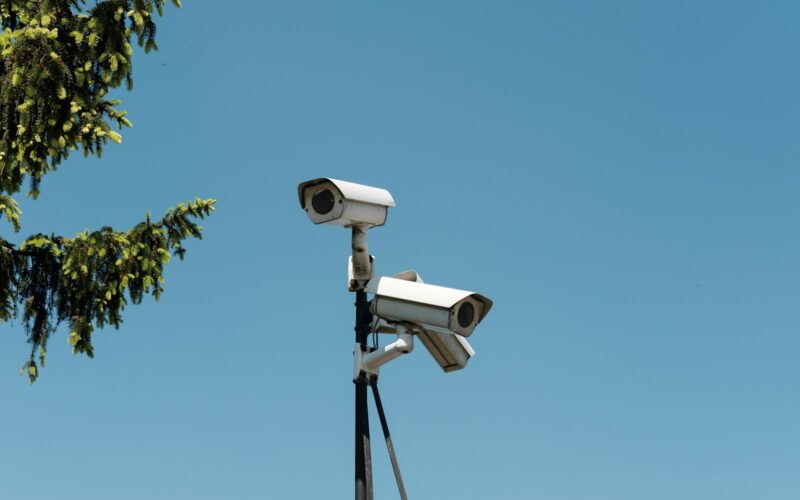
Overnight guards still need suitable locks, working lighting and clear communication. CCTV can help with visibility, while an agreed alarm procedure gives the team a way to respond consistently when an alert occurs.
If you already have alarm and CCTV monitoring, explain how it operates and who receives notifications. The guard and monitoring team should understand their respective responsibilities, including who contacts the site manager and how incidents are recorded.
For premises without a resident guard, keyholding and alarm response may be another option to discuss. Attendance following an activation serves a different purpose from having someone present throughout the night.
Arrange overnight security guards in Doncaster and Yorkshire
Before requesting a quote, gather your site address, opening hours, preferred cover times and a short description of your main concerns. Include details of overnight deliveries, existing cameras and any access points that need particular attention.
ABM provides security guards across Yorkshire and the Humber, supported by a 24-hour control room. We can discuss the duties, hours and site requirements involved in your proposed cover.
To arrange a conversation about overnight security guards in Doncaster or the surrounding region, contact our team. We can review your requirements and provide a quotation based on the work your site needs.